On this page
- What is NPK?
- NPK ratio for the vegetative stage
- NPK ration for early flowering stage
- Mobile vs. immobile nutrients
- Macronutrients vs Micronutrients
- The Macronutrients
- Nitrogen (N)
- Phosphorus (P)
- Secondary Macronutrients
- Calcium (Ca)
- Magnesium (Mg)
- Sulfur (S)
- Copper (Cu)
- Iron (Fe)
- Manganese (Mn)
- Molybdenum (Mo)
- Zinc (Zn)
- Take the Guesswork Out of Feeding Your Plants
What is NPK?
Growing healthy, high-yield cannabis starts with getting the proper nutrients at the right time. Each stage of the cannabis lifecycle—vegetative, early flowering, and late flowering—has its own nutritional needs, and understanding the NPK ratio (Nitrogen, Phosphorus, and Potassium) is essential. These three primary macronutrients play different roles as your plant develops, and adjusting their levels throughout the grow is one of the easiest ways to boost quality and yield.
NPK ratio for the vegetative stage
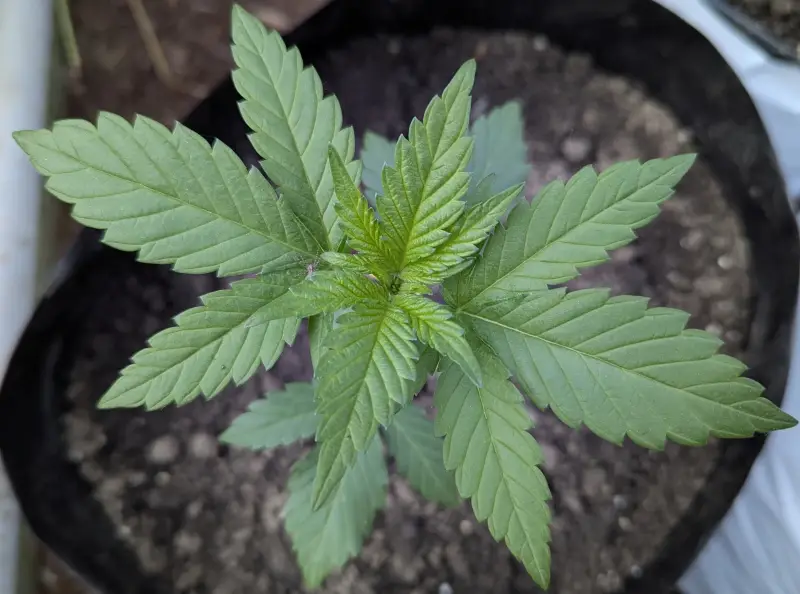
During the vegetative stage, cannabis thrives on nitrogen. An ideal ratio is 3:1:1, emphasizing nitrogen to support vigorous leafy growth. Nitrogen fuels chlorophyll production and helps build strong stems and foliage. The ratio sets the foundation for a healthy plant to support big buds later.
NPK ration for early flowering stage
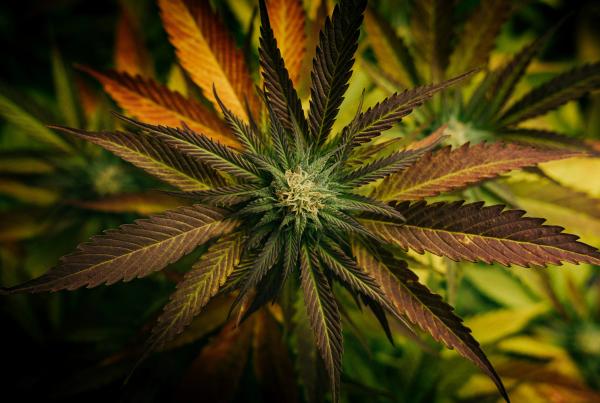
As you enter the early flowering stage, nitrogen takes a back seat while phosphorus and potassium take the lead. A typical NPK ratio here is 1:3:2. This shift helps the plant redirect its energy from growing leaves to developing flowers. Too much nitrogen during this phase can hurt bud production, leading to weak, airy flowers. Meanwhile, extra phosphorus promotes the formation of dense, resin-rich buds, and potassium supports nutrient uptake and stress resistance.
NPK ration for late flowering stage
Nitrogen is phased out almost entirely in the late flowering stage. The NPK ratio shifts to 0:3:3. Late flower is considered the stage at or after week 8. During this stage, phosphorus and potassium will help produce thicker, more potent, terpene-rich buds you have worked so hard to make. The late flower stage is a very critical stage of growth. Phosphorus supports energy transfer and flower formation, while potassium is crucial for water regulation and bud structure. NPK ratios are fundamental no matter what brand of nutrients or method you choose to grow. Having a plan and a schedule is essential to provide the correct ratio at the proper time. Next, we will break down the roles of each crucial nutrient and how to spot deficiencies before they hurt your harvest. But first, let's look at how nutrients are transferred or moved around. Mobility is essential when dealing with a nutrient deficiency.
Mobile vs. immobile nutrients
Cannabis growers should also be aware of the mobile vs. immobile nutrient concept. Mobile nutrients like nitrogen, phosphorus, and potassium move around the plant, so deficiencies usually appear in older leaves first. Immobile nutrients stay locked in place, meaning deficiencies often occur in newer growth (we'll cover more of these in the micronutrient section). You will see this mentioned below when discussing the different nutrient types. Knowing where a deficiency is located will help you identify the type of nutrient deficiency.
Macronutrients vs Micronutrients
Just like humans need protein, fats, and carbohydrates in larger amounts to stay healthy, cannabis plants rely on macronutrients for core functions throughout their lifecycle. These macronutrients—Nitrogen (N), Phosphorus (P), and Potassium (K)—form the foundation of any good feeding schedule. They are required in larger doses and directly affect plant growth, bud development, and overall health. Without enough of these, your plant will struggle to thrive.
Nitrogen supports leafy green growth and photosynthesis, phosphorus powers root development and flower formation, and potassium regulates water usage and improves bud quality. The heavy hitters in your nutrient lineup must be adjusted according to your grow stage (as explained in the NPK section).
However, macronutrients alone aren't enough. Cannabis also needs a range of micronutrients—nutrients required in smaller amounts but still critical to plant health. Think of them like vitamins and minerals in a human diet. Elements like Calcium, Magnesium, Sulfur (secondary macronutrients), Iron, Zinc, Manganese, Copper, and more help facilitate key processes such as chlorophyll production, enzyme activity, and nutrient transport.
An imbalance in micronutrients can lead to subtle but profound issues: yellowing leaves, stunted growth, or poor bud quality. And while these deficiencies often show up later or more gradually than macronutrient problems, they can be just as damaging if left unchecked.
Successful growth requires both macronutrients and micronutrients to be in balance. When nutrients aren't balanced, plants can run into real trouble. An excess of one can block others from being absorbed, and a shortage can slow growth or cause strange leaf issues. It doesn't matter if you're using a name-brand mix or crafting your recipe—knowing how macronutrients and micronutrients differ and why both matter is key to growing potent, healthy cannabis from start to finish.
The Macronutrients
Cannabis plants rely heavily on macronutrients—Nitrogen (N), Phosphorus (P), and Potassium (K)—for nearly every part of their growth and development. We call them "primary" macronutrients because cannabis plants consume them in the most significant amounts. Get these right, and you're off to a great start. Get them wrong, and the plant will let you know fast.
Nitrogen (N)
Nitrogen is the powerhouse behind vegetative growth. It is a key component in photosynthesis, as it's a key component of chlorophyll. This green pigment lets your plant absorb light and create energy. Nitrogen is also needed to produce amino acids, the building blocks of plant proteins.
During the vegetative stage, cannabis plants use more nitrogen than any other nutrient. It helps build strong stems, lush foliage, and a solid base for future buds.
Deficiency Symptoms:
- Slow growth and smaller plant size
- Yellowing of older leaves first, since nitrogen is a mobile nutrient, the plant pulls it from older leaves to support new growth.
- The plant can lose its vibrant green color if the deficiency continues, leaving it weak and washed out.
Phosphorus (P)
Phosphorus is essential from seedling to harvest. It fuels energy transfer at the cellular level and involves photosynthesis, nutrient transport, and the transformation of starches and sugars.
Phosphorus supports root development early in the plant's life and is crucial for later flower formation. The plant needs phosphorus from start to finish but relies more heavily once flowering begins.
Deficiency Symptoms:
- Leaves may turn dark green or possibly yellow with brown splotches on the lower part of the plant.
- Stems may appear bright red or purple.
- It commonly appears after buds start forming.
- If you don’t catch it in time, the yellowing can spread fast, and your buds might not fill out as they should.
Potassium (K)
Potassium is a multi-tasker. It strengthens plant tissues, improves stress resistance, and boosts the plant's ability to absorb water and nutrients. It also significantly regulates stomata, the tiny openings on leaves that control water loss and gas exchange.
During flowering, potassium helps produce dense, resin-rich buds and improves overall bud quality. Like nitrogen and phosphorus, potassium is mobile, so deficiency symptoms appear first in older growth.
Deficiency Symptoms:
- Yellowing or burnt leaf tips
- Stunted growth
- Reduced bud size and density
- Weaker branches and poor overall plant health.
These macronutrients are essential but are most potent when used in balance. That's why adjusting your NPK ratio at each growth stage is critical. For example, flooding your plant with nitrogen during flowering can delay bud development, while starving it of potassium can reduce yield and potency. Similarly, low phosphorus early in the grow can lead to weak roots, which makes the plant more vulnerable to stress and nutrient problems later on. If you notice yellowing leaves, red stems, burned tips or slowed growth, chances are you're looking at a macronutrient imbalance. Catching these signs early—and knowing which nutrient is missing—can mean the difference between a strong harvest and a weak one.
Next, we'll cover secondary macronutrients like calcium, magnesium, and sulfur. Although not required in as large amounts, macronutrients still play vital roles in structure, metabolism, and overall plant health.
Secondary Macronutrients
While nitrogen, phosphorus, and potassium get most of the spotlight, cannabis also depends on a few other macronutrients—just in slightly smaller doses. These are known as secondary macronutrients: Calcium (Ca), Magnesium (Mg), and Sulfur (S). They’re still critical for healthy plant growth, and deficiencies can cause just as many problems if left unaddressed.
Calcium (Ca)
Calcium plays a structural role in cannabis plants. It helps form strong cell walls, supports root health, and contributes to new growth. Unlike primary nutrients, calcium is immobile, meaning the plant can’t move it from older leaves to new ones. So when calcium runs low, the latest growth shows the first signs.
Calcium is essential in fast-growing plants, where cell division and elongation are happening rapidly. New growth will show signs of stress if the roots can’t keep up with calcium demands.
Deficiency Symptoms:
- Browning or dying tips on new leaves
- Twisting or upward curling in young leaves
- Weak stems or brittle growth
- Reduced root development
Magnesium (Mg)
Magnesium is the engine behind photosynthesis. It sits right at the center of the chlorophyll molecule, allowing your plant to capture light and convert it into energy. Magnesium is also a mobile nutrient, so deficiencies appear in older leaves first.
Because it’s tied so closely to chlorophyll, a magnesium shortage affects leaf color in a particular way—yellowing between the veins while the veins remain green. A pattern called interveinal chlorosis is one of the easiest deficiency symptoms to recognize.
Deficiency Symptoms:
- Yellowing between leaf veins in older leaves (interveinal chlorosis)
- Stunted growth
- Leaves may feel brittle or dry
- Advanced deficiency can cause leaf death and poor bud development
Sulfur (S)
Sulfur is a bit of an odd one. It’s partially mobile—not as easily moved around as nitrogen or magnesium, but not stuck in place like calcium. Your plant only needs a small amount, but key processes break down without it.
Sulfur is involved in enzyme activity, protein synthesis, terpenes, and essential oils, directly affecting the plant’s flavor and aroma. It’s also crucial for chlorophyll formation, so sulfur deficiency often resembles a nitrogen or magnesium issue. Still, it typically shows up in newer growth.
Deficiency Symptoms:
- Yellowing in new growth
- Weak, wispy buds
- Leaves may appear small or pale
- Reduced aroma and resin production
While these secondary macronutrients don’t appear in your base NPK numbers, they’re still in most quality nutrient mixes. Ensure your formula includes enough calcium and magnesium in hydroponic systems—often added as a Cal-Mag supplement.
Suppose your plants are growing slowly, showing signs of twisted or pale new growth, or dealing with bud development issues not explained by primary nutrient deficiencies. In that case, it's worth checking your calcium, magnesium, and sulfur levels. Keeping these in balance will support stronger stems, better flower development, and higher terpene production—helping you get the most out of every growth.
Next, we’ll examine micronutrients—the small but powerful elements that keep everything running smoothly behind the scenes.
Micronutrients
Cannabis plants rely on micronutrients in trace amounts to stay healthy and function properly. Think of them as vitamins in your diet: you don’t need a ton, but if you miss even one, you can throw everything off. These nutrients support enzyme functions, chlorophyll production, nutrient transport, and overall plant resilience. While macronutrient deficiencies often cause dramatic symptoms quickly, micronutrient issues can sneak up on you—subtle at first, then suddenly stalling growth or ruining bud quality.
Let’s break down the key micronutrients cannabis plants rely on and how to spot deficiencies before they take a toll.
Boron (B)
Boron supports cell wall formation, carbohydrate metabolism, and reproductive growth—key for bud formation and overall plant structure. It’s an immobile nutrient, so symptoms appear first in new growth.
Deficiency Symptoms:
- Weak or brittle stems
- Deformed new leaves
- Reduced bud size and poor structure
- Hollow stems or poor nutrient flow
Copper (Cu)
Copper aids in enzyme production, protein synthesis, and pigment formation. It’s involved in lignin development, which gives plant cells strength and flexibility. Like boron, copper is immobile.
Deficiency Symptoms:
- Pale or bleached tips on new leaves
- Darkened or bluish-green leaves
- Weak or malformed buds
- Delayed flower development
Iron (Fe)
Iron is critical for chlorophyll production and respiration. It’s another immobile nutrient, so issues first appear in younger leaves.
Deficiency Symptoms:
- Interveinal chlorosis (yellowing between veins) in new growth
- Leaves may look almost white or bleached in advanced stages
- Slowed growth and reduced vigor
Iron deficiencies can look similar to magnesium issues. Still, the location is different—magnesium affects older leaves, while iron affects newer ones.
Manganese (Mn)
Manganese helps with nitrogen use, photosynthesis, and respiration. Because it’s immobile, deficiencies show up in newer growth.
Deficiency Symptoms:
- Interveinal chlorosis with a speckled or mottled appearance
- Brown or tan spots as the deficiency progresses
- Leaf curling or distortion in late stages
Manganese deficiencies can look like iron problems initially but often show more spotting and necrosis as they develop.
Molybdenum (Mo)
This trace nutrient is involved in nitrate conversion, helping plants turn nitrates into usable nitrogen. Molybdenum is mobile, so symptoms typically start in older leaves.
Deficiency Symptoms:
- Pale green or yellow lower leaves
- Mottled or spotted patterns
- In later stages, leaves may show pink, orange, or red hues
- Growth may slow, and leaves can curl or twist
Though rare, molybdenum deficiency can sometimes appear in plants grown in low-pH soil or coco coir without proper supplementation.
Zinc (Zn)
Zinc is key in enzyme activity, growth hormone (auxin) production, and cold resistance. It’s immobile, so symptoms appear in young growth.
Deficiency Symptoms:
- Stunted growth
- Yellowing in young leaves
- Shortened internodes (tight node spacing)
- Thin, narrow leaves that may look twisted or underdeveloped
Micronutrients are often overlooked, especially by newer growers using premixed nutrient formulas. But even when using quality products, environmental factors like pH imbalances can prevent uptake—causing deficiencies even when the nutrients are technically present.
Keep in mind that micronutrient deficiencies often overlap in appearance. A keen eye and a well-documented grow journal can help you catch and fix these issues fast. A micronutrient imbalance could be the culprit if you see unusual leaf discoloration, twisted new growth, or bud development that doesn’t match the plant’s stage.
Take the Guesswork Out of Feeding Your Plants
Feeding cannabis plants the proper nutrients at the right time can be the difference between average buds and a harvest you’re proud to show off. But remembering every ratio, tracking deficiencies, and staying ahead of issues? That’s a lot to juggle—especially across multiple grows.
That’s where BudSites comes in.
Our app helps you track your feeding schedule, monitor nutrient levels, and log plant health day by day. Helping you spot problems early and stay on top of your grow from seed to cure. Whether growing in soil, coco, or hydro, BudSites helps dial in nutrients and maximize yield.
Ready to grow smarter, not harder?
Download BudSites today and give your plants the care they deserve.