 legal
legalMassachusetts has been one of the friendliest states on the East Coast for home cannabis growers
11 Apr, 2026
Massachusetts Cannabis Home Grow Laws: Your Complete Guide for 2026
Massachusetts has been one of the friendliest states on the East Coast for home cannabis growers since voters legalized recreational use back in 2016. If you live in the Bay State and you’ve been thinking about starting a grow, the law is on your side, but there are specific rules you need to follow to stay compliant. With major legislative changes set to land in April 2026 and a potential ballot question looming in November, this is a year when staying informed actually matters.
Who Can Grow at Home in Massachusetts?
Any adult aged 21 or older can legally cultivate cannabis at their primary residence. You don’t need a special license, you don’t need to register with the state, and you don’t need to notify anyone. The right to grow is baked directly into Massachusetts General Law Chapter 94G.Medical marijuana patients have a separate and even more generous allowance. Registered qualifying patients can grow up to 12 flowering plants and 12 vegetative plants for personal medical use. Patients who qualify for a Hardship Cultivation Registration (due to financial hardship, physical inability to travel, or living far from a dispensary) may grow enough to produce a 60-day supply.Recreational growers can cultivate up to 6 plants per adult aged 21 or older, with a 12-plant maximum per household, regardless of how many adults live there. All plants are for personal use only, and you cannot sell homegrown cannabis.These numbers make Massachusetts one of the more generous states in the country for personal cultivation. Many legal states cap recreational grows at 4 plants, so having the ability to run 6 (or 12 in a multi-adult household) gives you room to experiment with different strains and maintain a rolling harvest throughout the year.
The Rules You Can’t Ignore
The plant count is only part of the equation. Massachusetts law imposes a few non-negotiable conditions on home cultivation, and violating them can result in fines or criminal charges under MGL c. 94G, § 13.Your grow area must be secured. The law requires that all cannabis plants be cultivated in an area equipped with a lock or other security device. A locked room, a locked tent in your basement, or a locked closet all work. The point is that unauthorized people, especially minors, shouldn’t be able to access your plants.Plants cannot be visible from a public place. If someone walking down the sidewalk, driving by, or looking from any public vantage point can see your plants without using binoculars or other optical aids, you’re in violation. Outdoor grows need to be screened by fencing, walls, or other structures. Indoor grows behind walls and curtains are naturally compliant.You also can’t use dangerous extraction methods. Manufacturing cannabis concentrates at home using any liquid or gas with a flashpoint below 100 degrees Fahrenheit is illegal. That means butane hash oil (BHO) extraction is off the table. Alcohol-based extractions and dry sift methods are still fine.Storage matters once you harvest, too. Massachusetts law lets you possess up to 10 ounces of cannabis at home, plus any additional amount produced by plants you’ve legally grown. Anything over one ounce must be stored in a locked container or in a locked space, such as a lock box, safe, or cabinet. Keep it secure and out of reach of children and pets.
Renters: Check Your Lease First
Owning your home makes this easy. If you rent, it gets more complicated. Massachusetts landlords have the legal right to prohibit cannabis cultivation on their property. The Marijuana Justice Act of 2017 protects landlords from state penalties for allowing cannabis activity, but it doesn’t force them to permit it. Your lease may specifically ban growing, and that restriction is enforceable.Before you invest in a grow tent and nutrients, read your lease carefully or get written permission from your landlord. Getting caught growing in violation of your lease terms could lead to eviction, which is a much worse outcome than not growing at all.
What About Gifting?
You can legally give up to one ounce of cannabis to another adult aged 21 or older, as long as no money, goods, or services change hands. The law is clear that using “gifting” as a workaround to sell cannabis is illegal. A genuine gift to a friend is fine. A “free gift” that comes with a $200 “donation” for a sticker is not.
Big Changes in 2026: The Reform Bill
Massachusetts legislators announced on April 6, 2026, that they’ve reached a deal on a comprehensive cannabis reform bill, the biggest overhaul since dispensaries first opened. While the bill primarily targets the commercial side of the industry, a few provisions directly affect consumers and home growers.The bill raises the public possession limit from one ounce to two ounces and directs the Cannabis Control Commission to determine the concentrate equivalent of two ounces. For home growers, this means you can carry more of your harvest when you leave the house.The bill also restructures the Cannabis Control Commission itself, shrinking it from five commissioners to three, and directs a review of workplace safety and cannabis testing standards. The state is treating its cannabis industry as a maturing market rather than an experiment, which generally bodes well for home growers who want stable, predictable rules.
The November 2026 Ballot Threat
There’s a wildcard on the horizon. A group called the Coalition for a Healthy Massachusetts, funded largely by Smart Approaches to Marijuana (SAM), has collected enough signatures to potentially place a question on the November 2026 ballot that would repeal the entire adult-use cannabis market.If this measure passes, it would shut down commercial recreational sales and eliminate home-grow provisions for recreational users. Medical marijuana would remain legal, but the 6-plant personal cultivation right that recreational adults currently enjoy would disappear.Massachusetts voters approved legalization 54% to 46% in 2016, and no state that has legalized has ever reversed course through a public vote. But the initiative is real, the signatures have been certified, and if the legislature doesn’t act on the petition by May 5, 2026, organizers have until July 1 to gather roughly 12,400 more signatures to put it on the ballot.If you value your right to grow at home, paying attention to this ballot question and voting in November are worth your time.
Tips for Getting Started with Your Massachusetts Home Grow
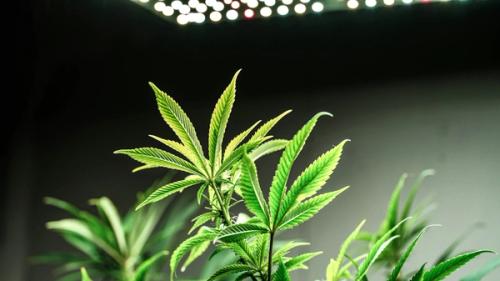
If you’re ready to take advantage of your legal right to cultivate, a few practical considerations will set you up for a smoother experience.Start with your environment. Most Massachusetts growers cultivate indoors due to the state’s short outdoor season and the law's visibility requirements. A spare room, basement, or closet can work. Invest in proper lighting, ventilation, and temperature control, since New England winters and humid summers both present challenges.Pick your strain carefully. With six plants (or twelve in a two-adult household), each plant slot is valuable. Research strains that match your goals, whether that’s yield, potency, flavor, or grow difficulty. Autoflowering varieties can be a good choice for beginners since they flower on their own schedule regardless of light cycles.Track everything. Keeping a grow journal helps you learn from each cycle. Record your planting dates, nutrient schedules, watering frequency, light schedules, and any issues you encounter. When something goes right (or wrong), you’ll want to know exactly what you did.Get your nutrients dialed in. Cannabis plants need different nutrient ratios during vegetative growth versus flowering. Overfeeding is one of the most common mistakes new growers make. Start with a lower than recommended dose of any nutrient product and increase gradually.This is where a tool like the BudSites Grow App can save you serious headaches. BudSites combines a grow journal, nutrient scheduler, and AI-powered grow assistant into one app, so instead of juggling spreadsheets, forum advice, and guesswork, you can log your grow, get personalized nutrient recommendations based on your plant’s stage, and ask questions any time of day. It’s available on both iOS and Android and built specifically for home growers who want to achieve better results with every harvest.
Sources
- Massachusetts Cannabis Control Commission: Know the Laws
- Mass.gov: Massachusetts Law About Recreational Marijuana
- MGL c. 94G, § 13: Penalties
- Massachusetts Legislature: Fact Sheet on An Act Modernizing the Commonwealth’s Cannabis Laws (April 2026)
- WBUR: What Beacon Hill’s marijuana reform deal means (April 7, 2026)
- Cannabis Business Times: Massachusetts Campaign to Kill Adult-Use Cannabis Market (December 2025)